
Market Matrix for Companies
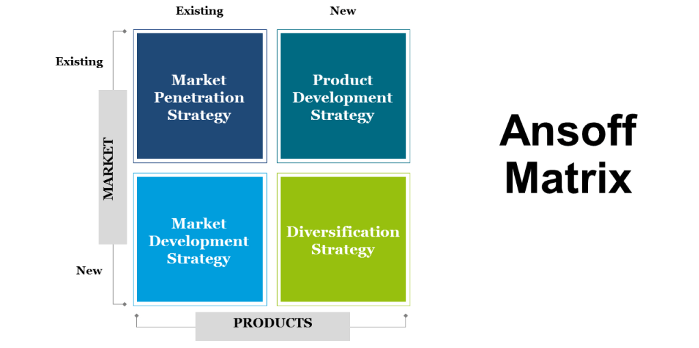
The Ansoff Matrix, also known as the market matrix, is a strategic marketing tool that helps a company determine its product-market growth strategy. It does so by evaluating whether products are new or existing and whether the target market is new or existing. This framework, therefore, guides businesses in choosing the most appropriate path for expansion and growth.
The analysis of context and stakeholders required by the ISO 9001 certification can, moreover, serve as a complementary tool for marketing plan development.
Growth Strategies According to the Ansoff Matrix
Depending on the company’s market situation and product portfolio, a specific growth strategy will be selected. Moreover, there are four main business growth strategies:
- Market Penetration.
- Product Development.
- Market Development.
- Diversification.
1. Market penetration
Situation of an existing market and an existing product. The objective is to increase sales — but how? In the short term, a market penetration strategy focuses on boosting consumption through advertising, promotions, price reductions, and similar actions. However, to achieve long-term growth, the company must strengthen its competitive advantages, such as lowering costs or enhancing differentiation.
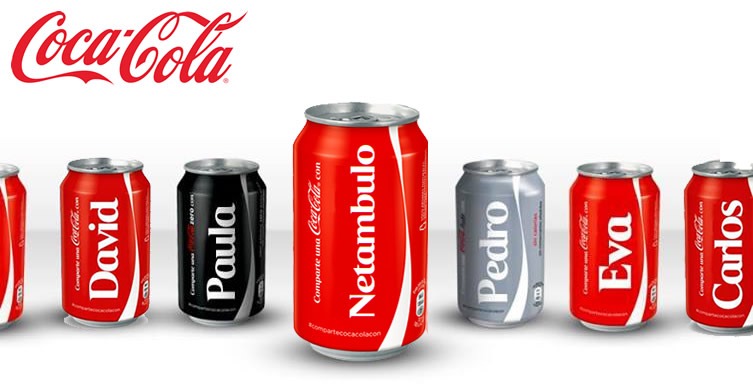
A clear example of market penetration is Coca-Cola’s campaign of printing personal names on cans. Notice that the product remained exactly the same and the target audience did not change; yet, through a creative promotional strategy, the company significantly increased consumption within the same market.
2. Product development
This situation keeps the same market but develops a new product.
Some strategies include modifying product accessories (product improvement) or introducing a new flavour (substantial changes that replace or extend the existing product).
A clear example from Coca-Cola is the launch of new can flavours, such as the innovative addition of coffee to Coca-Cola.

3. Market development
We find ourselves in a situation where traditional or well-known products are offered to new markets. These new markets can be classified into:
- New segments
- New functions
- New geographical areas
A clear example of Coca-Cola’s market development strategy was the introduction of “Coca-Cola Zero Sugar” and other variants that targeted new customer segments, specifically consumers more sensitive to sugar intake.

4. Diversification in the Ansoff Matrix
In this case, entering new markets means creating new products. There are two types of diversification:
- Related diversification: products benefit from synergies by leveraging existing knowledge or resources.
- Unrelated diversification: the new product belongs to a completely different industry.
A clear example of Coca-Cola’s related diversification would be developing other beverage-related products that serve a different function or target a different market segment.

An example of unrelated diversification would be the construction company CAT, which decided to launch a line of sports shoes in order to diversify its risks. This move represents a clear departure from its traditional industry, entering a completely different market with a new type of product.


Growth Plan Using the Ansoff Matrix
Using matrices is extremely helpful when defining an effective growth strategy for any company. Knowing how to apply them correctly is also crucial to successfully implement that strategy. The Ansoff Matrix is a valuable tool for planning business growth in organizations of any size and sector.
To learn more about this topic, click here.